Reviews
9 September 20266 min read
GPT Image 2.5: Flare vs Sunburst, and What Each One Actually Costs
GPT Image 2.5 Flare vs Sunburst compared: which to use when, the quality ladder, and the real per-image cost at every tier.
Read Article
Director-level guides, tool comparisons, and workflow breakdowns for AI video production.
GPT Image 2.5 Flare vs Sunburst compared: which to use when, the quality ladder, and the real per-image cost at every tier.

Turn a PDF, deck or webpage into video with Wan 3.0. What document-to-video really does, the schema limits, real credit costs, and when not to use it.

Wan 3.0 runs 2 to 30 second takes at up to 1080p with native audio, and turns documents or webpages into video. Verified fal pricing and real credit costs.
An honest Descript review for 2026: what Underlord really automates, the true cost per media hour on every plan, and where text-based editing stops helping.

A working review of MiniMax H3, the Hailuo 03 model: what native stereo audio and omni-reference actually change, what a second costs, and the wiring gotchas.
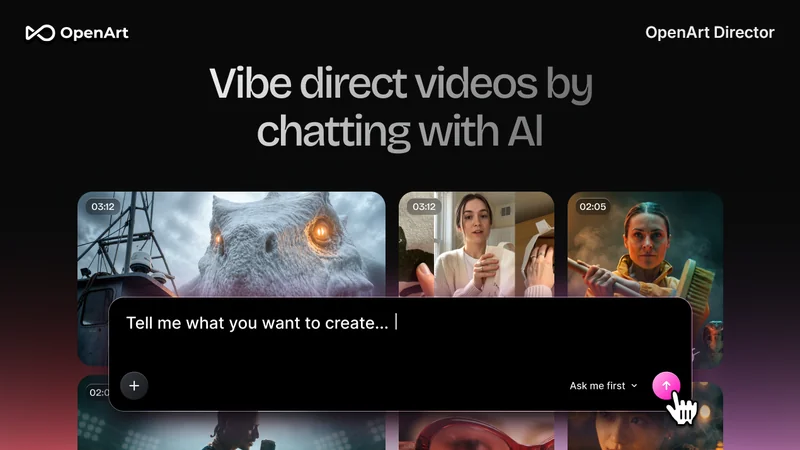
What vibe directing means, how OpenArt Director's conversational workflow runs, and an honest read on its five-minute claim from a working AI video director.
How LTX 2.3 Reframe converts 16:9 video to 9:16, 1:1, 4:5 and 5:4 without decapitating your subject. Real per-second pricing and the 60-second ceiling.
A working guide to VEED Lipsync v2: re-voicing existing video, fixing a bad take without a reshoot, and localising to another language.
Pictory's annual plans versus monthly billing, priced out properly, plus the 20% reader discount that brings the Professional plan to $336/year.
Can AI actually edit videos for you in 2026? What AI editing does well (cuts, captions, repurposing), where it still fails, and how to use it properly.

How Irish businesses from Dublin to Wicklow get broadcast-quality corporate video without a camera crew, a studio day or a five-figure budget.

Which AI video generation platforms are worth paying for in 2026? A director's framework: pay for renders not access, and never accept expiring credits.

The best AI image and video generation site for creators? aivideos.eu runs 31 models (Veo 3.1, Seedance 2.5, Flux 2 Pro) on non-expiring credits from €15.
What is the best AI video generator in 2026? MiniMax H3 for motion, Veo 3.1 Fast for native audio, Seedance 2.0 for long takes, with real credit costs.

Where to use Kling AI video online: the official apps, multi-model hubs, and how the Pro tier compares to Kling 3.0 Turbo and Omni.

Is Seedance 2.5 available yet? Yes. Live on fal since 20 July 2026, with 4 to 30 second takes. 480p, 720p and, since August 2026, 1080p. Still no 4K.

OpenAI is shutting down Sora (app gone, API ends 24 Sep 2026). A working director ranks the best Sora alternatives in 2026 for real production work.
Paying for Runway, Kling, Veo, a voice tool and an editor every month? A director on how to consolidate your AI video stack, or outsource it.
AI video credits vanishing on failed clips? A working director's method for first-try usable takes - stop the slot-machine spend on Runway, Kling and Veo.

What an AI video production agency actually does, what it costs and how to brief one. An honest guide from a director with 25 years of creative craft.
A director-led AI video agency serving UK and US brands remotely. What you get, how time zones work, what it costs, and when to say no to AI.
AI video editing and post-production by a director with 25 years of craft. What AI editing can and can't do, and when to hand it to a professional.

HeyGen vs Synthesia in 2026: avatar realism, languages, governance and pricing compared, plus how to run a trial that actually settles it for your team.

A director's head-to-head on Kling 3.0 vs Google Veo 3.1: now both generate native audio, the differences come down to motion, dialogue and cost.
A production-focused Pika 2.5 review testing the physics interaction model, layered camera control and scene extension, with honest verdicts.
Master Runway Gen-4 reference images to lock character identity across every shot: a production workflow guide for working directors.

A director's head-to-head on Luma Dream Machine 1.6 vs Ray2: camera physics, motion continuity, and which model earns a place on a real timeline.
A director-level Luma Dream Machine 2 Ray2 review: physics sim, camera control, and pricing tested against Runway Gen-4 and Kling 3.0.
Runway Act-Two vs HeyGen compared for AI actor direction in 2026: cinematic performance capture vs avatar pipeline, with pricing and workflow guidance.

A scene-level verdict on native audio, lip-sync, and scripted dialogue across the three models directors are betting on in mid-2026.

Honest director-level review of Veo 3's native audio: what works for production, where it falls short, and when to reach for ElevenLabs instead.
Sora vs Runway Gen-4 tested in real production by a working director. One survived, one was discontinued: the honest verdict on which to use in 2026.

An honest director's guide to faceless AI YouTube channels: what actually works in 2026, realistic economics, and the exact stack I'd use starting today.

A working director's honest GetImg.ai review: why it's replaced Midjourney in my production stack for storyboards, reference frames, and img2vid inputs.

A working director's honest assessment of ImagineART for storyboarding, reference frames and pitch decks, and how its images feed into video production.

An honest director's review of OpusClip in 2026: where its AI clip intelligence delivers, where it falls short, and how it fits a real workflow.
What AI video can and cannot do for a brand in 2026: how to brief it, what it really costs, and the disclosure questions teams keep missing.
How professional AI video production actually runs: the five phases from brief to delivery, the stack at each stage, and what the director layer is really for.

An introduction to prompt engineering for generative AI video: the camera, lighting and framing vocabulary that separates cinematic output from generic results.
How to get broadcast-quality voice clones from ElevenLabs Eleven v3: source recording, script formatting, and emotional control for commercial production.
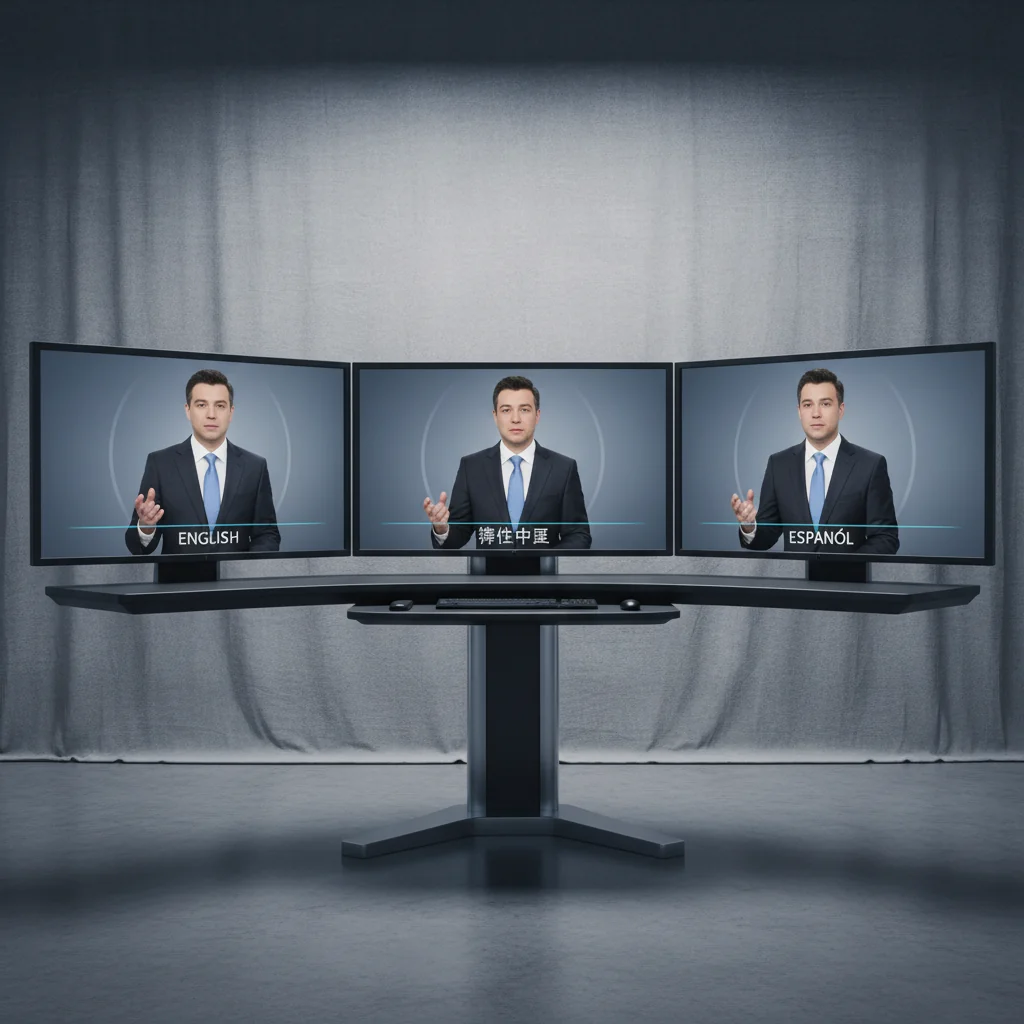
A playbook for multilingual corporate video with HeyGen: avatar setup, translation, the review step nobody budgets, and where not to use it.
The AI stack for faceless YouTube channels, rebuilt around YouTube's inauthentic content policy: which workflows still monetise in 2026.
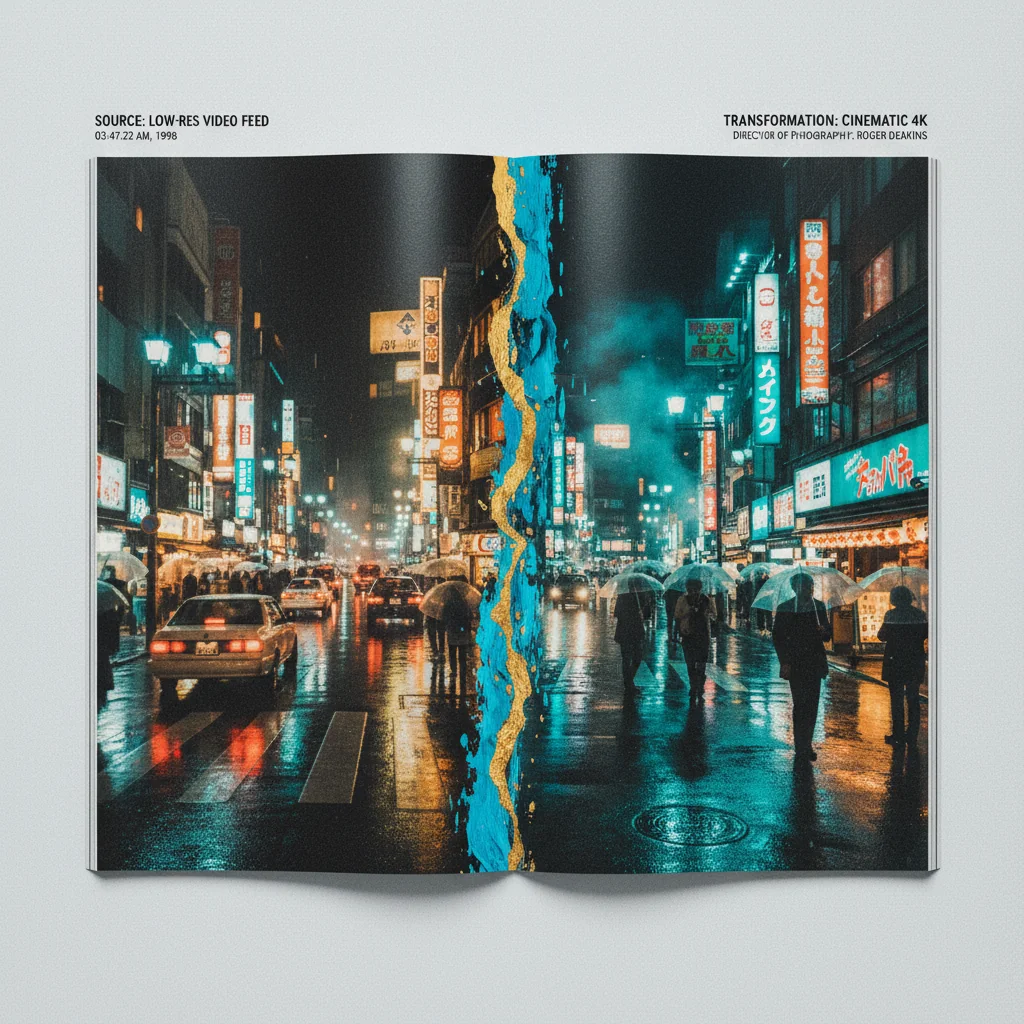
An honest GoEnhance AI review: the three jobs it genuinely solves, where style drift breaks it, and why it is not a Runway competitor.

Pollo AI aggregates Kling, Luma and Pika under one subscription. Whether multi-model access saves money, and why the industry now agrees.

Runway Gen-4.5 versus Kling 3.0 on what decides a shot: subject type, motion physics, cost per second, speed and multi-shot continuity.

A working guide to AI audio in video production: voice cloning, native generated sound, foley and mixing, plus the specific places generative audio still fails.
AI video moved from text prompts to multimodal control: reference images, native audio and model routing. An honest read on what changed and what still breaks.
How to keep up with AI video releases without chasing every launch. A working director's test for separating a real capability gain from a version number.
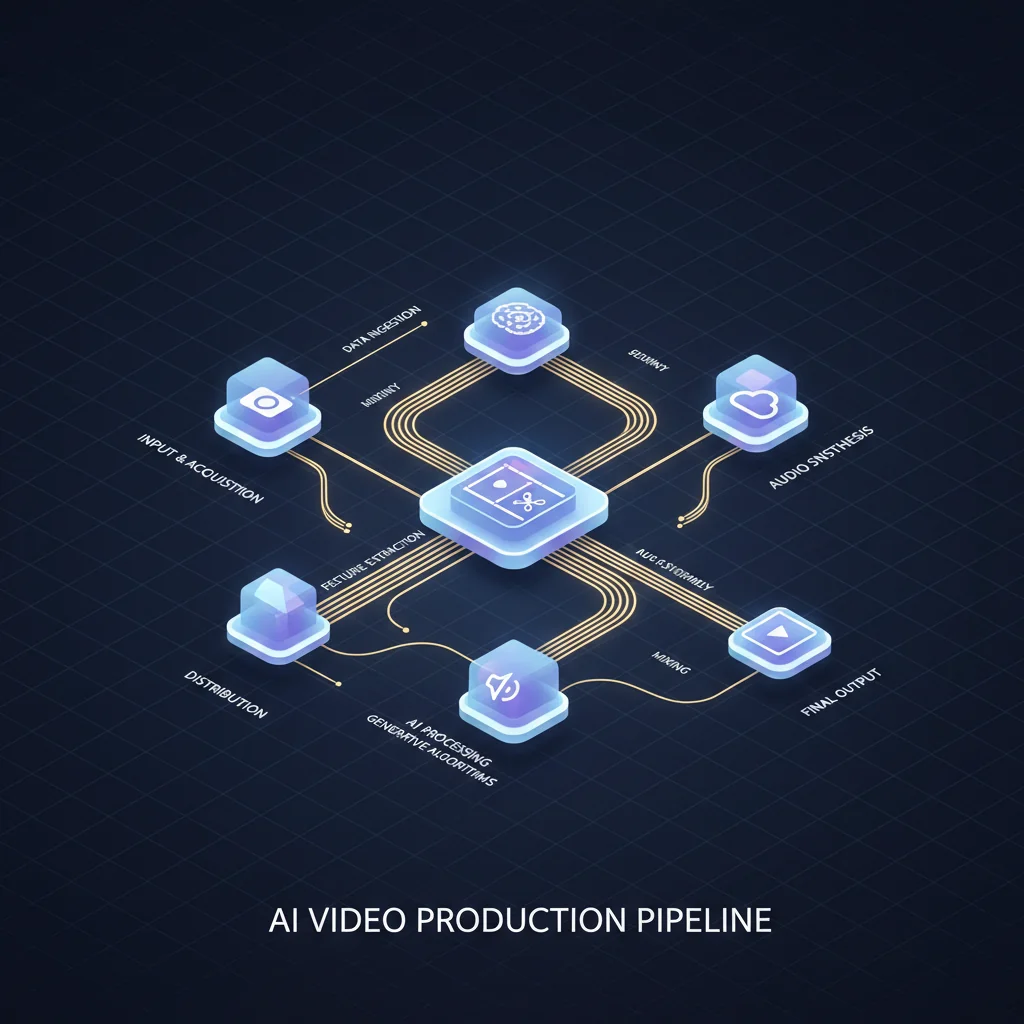
How to build an AI video production pipeline that scales past one-off clips: separating instructions, judgement and execution, and why error rates compound.
A director's take on Kling 3.0: where its motion physics lead, where Runway wins, and what a shot really costs on per-second credit maths.
An honest guide to digital humans and AI avatars in video production: the jobs they suit, the ones they do not, and the directing decisions that make them work.

A transparent pricing breakdown for professional AI video production: tools, director fees, turnaround, and what separates €120 work from €1,200 work.
Director-level AI video intelligence delivered to your inbox weekly.